
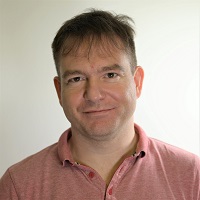
There are several well know vendors that offer cloud database systems, such as Amazon, Microsoft and Google. In recent year however we have seen some new entries by companies that specialize in cloud services, such as Snowflake and Databricks. Peter Boncz offers an in-depth technical review and comparison of the existing and new generation cloud database systems.
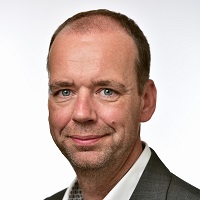
This session explains how data vault, ensemble modeling and data virtualization can be used together in an efficient way. Key to this is the new concept of ”data routes”. This concept proposes a data-oriented way of processing that is based on the aforementioned issues of data vault, ensemble modeling and data virtualization.
At Qlik, we have made it our mission to help organizations accelerate business value through data. To lead in the digital age, where real-time decisions are critical, you need robust data pipelines to effectively access and analyse the latest and most accurate data. Qlik offers a data integration and analytics platform that continuously ingests all your data changes, automates data warehouses, manages data lakes to provide true data insight across your organization with world-class analytics.
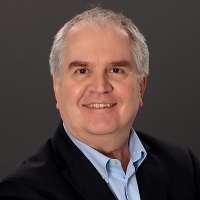
Often, existing data architectures can no longer keep up with the current “speed of business change”. As a result, many organizations have decided that it is time for a new, future-proof data architecture. However, this is easier said than done. In this session, ten essential guidelines for designing modern data architectures are discussed. These guidelines are based on hands-on experiences with designing and implementing many new data architectures.
How will IT perform if the complexity dramatically increases? What can we actually learn in the future from all the experiences we have gained? What do we have to change in order to participate in this increasingly data-driven economy in which digital transformation is the magic word for everyone? This keynote addresses this issue, and discusses recommendations on how IT specialists and IT management need to change to be able to address the actual data disruption: the IT disruption.
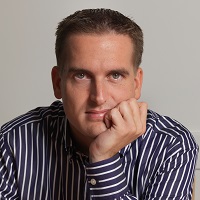
APG is the largest pension provider in the Netherlands and sees data as a crucial asset from current and future business operations. APG also wants to be a leader as an executor and investor, which has led to the earmarking of data as a strategic asset. In this session Tim Schulteis tells an integral story about the journey that has been made in the past period. He will discuss the development of an appropriate architecture, the building of the right knowledge and skills, and the challenges of collaboration across business units.
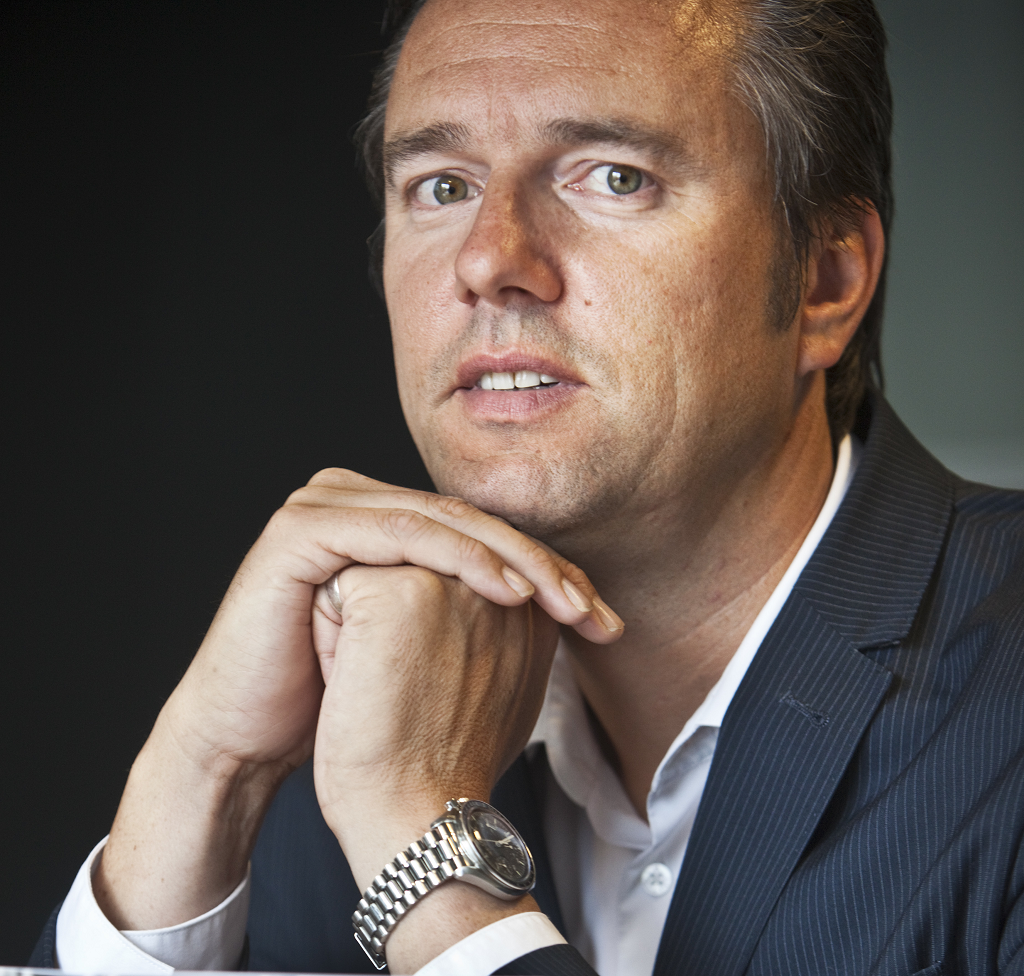
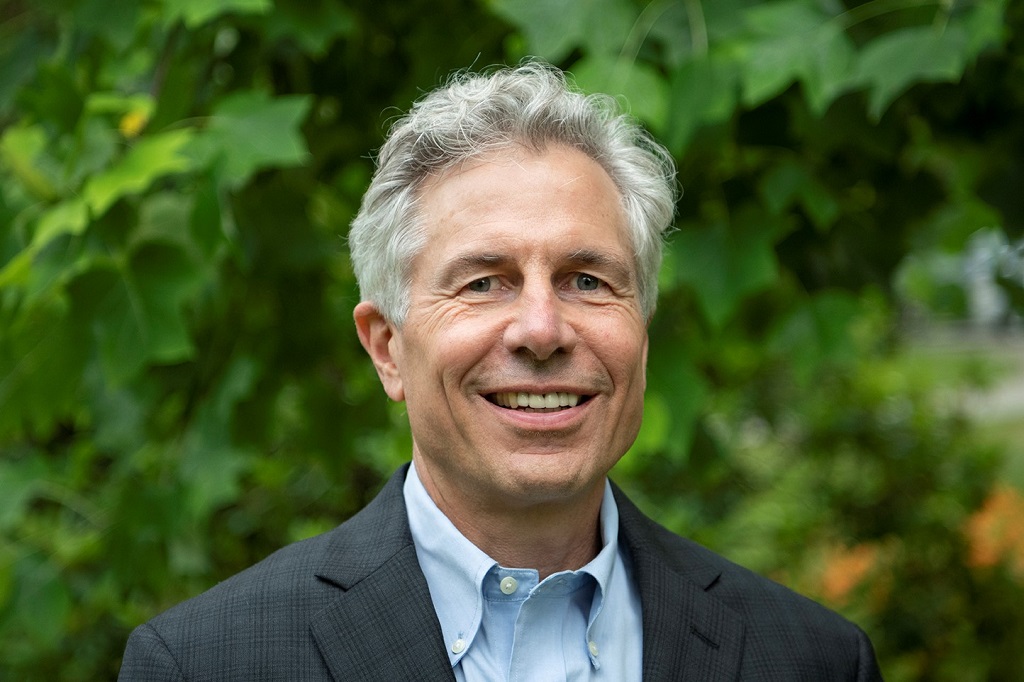
The state of most data analytics pipelines is deplorable: too little automation; minimal reuse of code and data; and lack of coordination. The result is poor quality data delivered too late to meet business needs. DataOps is an emerging approach for building data pipelines and solutions. In this session Wayne Eckerson will explore trends in DataOps adoption, challenges and best practices.
It is notoriously difficult to achieve the promise of self-service analytics. Wayne Eckerson will explain how to empower business users to create their own reports and models without creating data chaos. He will show how to build a self-sustaining analytical culture that balances speed and standards, agility and architecture, and self-service and governance.